From casino floors to online sports platforms, gambling continues to be a popular form of entertainment worldwide. With the allure of potentially winning big, many people enjoy playing online, placing bets on sports events, and participating in lotteries. And those who prefer digital pokies and table games definitely need a comprehensive legit casinos list to ensure a secure experience. This will ensure that they don’t become victims of fraudulent practices and will have a solid chance of winning with fair game payouts.
So, the choice of gaming websites is an important aspect, and users can read at for in-depth reviews and insights on the best platforms available. Reliable resources comprehensive information about venues, including their reputation, game selection, customer support, and payment methods.
But beyond individual enjoyment, gaming is also a multi-billion dollar industry that significantly impacts local and global economies. In a broader sense, the economics of gambling is complex and requires analysis on various levels.
Revenue Generated by Casinos and Other Types of Gambling Activities
The revenue generated by casinos, sports betting platforms, and lottery activities is substantial, with estimates suggesting that the industry is worth well over $400 billion globally. Most of this revenue comes from land-based establishments, but online gambling and sports betting have grown significantly.
Gambling is a major industry in Australia, with gross revenue estimated to be around $25 billion. Casinos account for significant revenue, followed by sports and race betting, lotteries, and poker machines. Similarly, in Las Vegas alone, casinos generate over $10 billion in revenue annually.

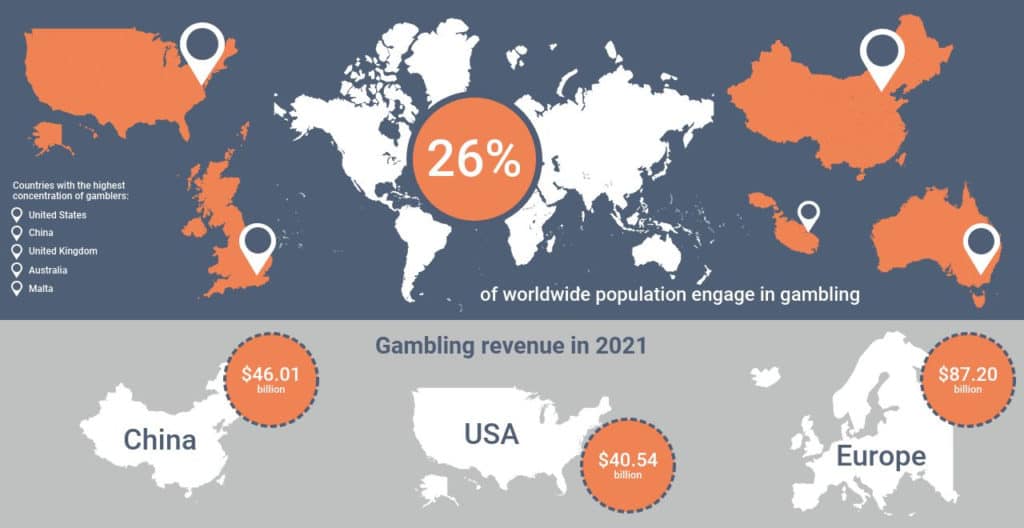
So, here is a list of countries that generate significant revenue:
- United States: $40 billion.
- China: $35 billion.
- Japan: $30 billion.
- Australia: $25 billion.
- United Kingdom: $20 billion.
As regulated gambling significantly contributes to the economy, it provides substantial employment opportunities. Casino executives and dealers have steady jobs with good salaries and benefits. Related industries, such as hotels, restaurants, and transportation providers, also benefit from gambling. For instance, tourists visiting casino hubs such as Las Vegas or Macau need accommodation and often dine in local restaurants, generating income for numerous businesses.
The numbers are expected to continue to grow with the expanding legalization and acceptance of gaming in many countries, making it more accessible than ever before. Therefore, it is safe to say that gambling plays a crucial role in the overall economy.
The Economic Impact of Gambling on Local Economies
Gambling can have significant economic impacts on society, both positive and negative. Below, we will look at these impacts in more detail, exploring how it contributes to local and global economies and their potential downsides.
Positive Impact
On the positive side, job creation is one of the most apparent benefits. As mentioned earlier, casinos and other facilities require a large workforce to operate efficiently. This generates thousands of direct jobs for individuals across various sectors like hospitality and tourism that support casino hubs worldwide.


Moreover, when governments levy taxes on such establishments’ profits generated through gaming activities – it leads to increased tax revenue that can support public services such as education, healthcare, and infrastructure development. Sometimes, these funds may also be used to prevent problem gambling.
Negative Impact
However, there are undoubtedly potential downsides to the economic impact that cannot be ignored. One of the most significant risks associated with gambling is addiction. Problem gamblers may develop a dependency that could lead to financial ruin, damaging both their lives and families. Additionally, there’s an increased risk of criminal activity as individuals sometimes turn to illegal means like theft or fraud in desperate attempts to fund their habits.
Some reports indicate that the positive economic benefits generated by gambling might be overstated compared to other entertainment expenditure forms. For example, analysts argue consumers would have spent money on alternative leisure activities such as shopping malls or movies if they had not gambled it away. Lastly, Governments still need to invest more in social services to tackle addiction-related problems. This is because the negative societal impacts of problem gambling can be overwhelming, and they require significant resources committed by governments worldwide.
However, some countries, such as the UK and Australia, have implemented responsible gambling measures to provide support for individuals addicted or at risk of developing addiction. Governments are placing significant emphasis on such initiatives to ensure that the benefits of gaming outweigh its negative impacts. Snf this has undoubtedly contributed to reducing the negative impact.
Conclusion
Gambling is an immense industry that significantly contributes to the global economy, generating annual billions of dollars in revenue. From tourism and entertainment to hospitality and related industries, gambling creates numerous job opportunities worldwide. But while it generates significant revenue for local and global economies, there are also adverse effects associated with problem gaming. Therefore, governments must regulate the industry to protect vulnerable individuals and ensure it remains a safe entertainment.